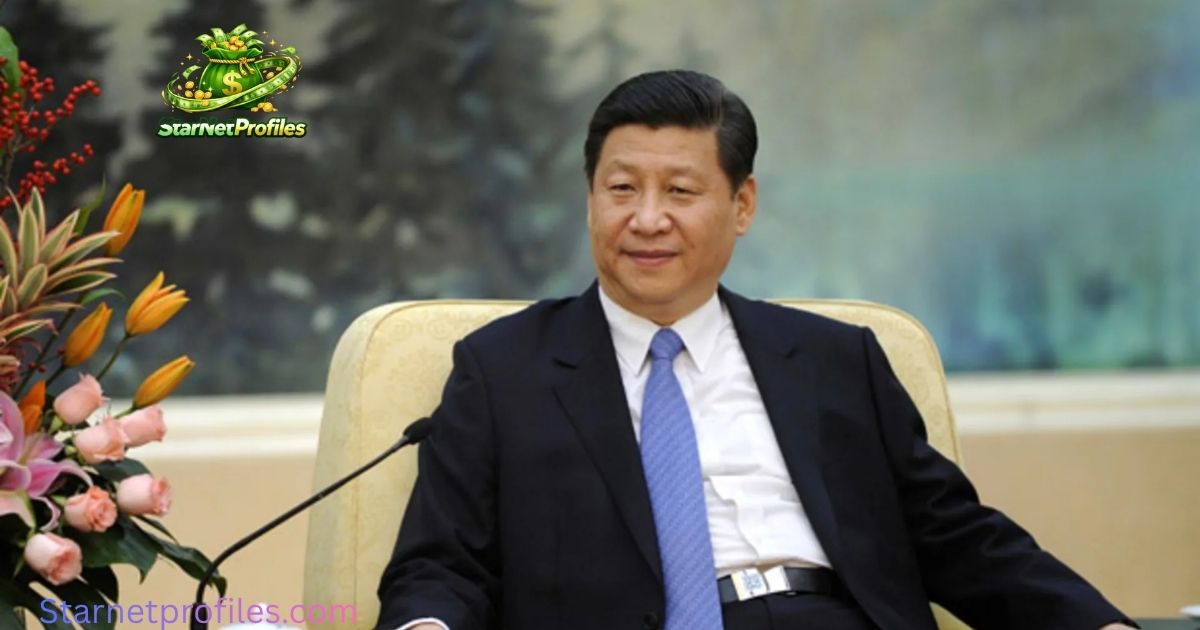
Xi Jinping Net Worth 2026 Wealth Overview
Xi Jinping is a Chinese politician who has been the top leader of China since 2012. Xi Jinping’s personal net worth is between $2 million and $3 million. Xi is one of the most influential figures in global politics today, shaping China’s relations with major powers like the United States, as well as its role in international trade, security, and climate policy.
Who is Xi Jinping?
Xi Jinping is a Chinese politician serving as the paramount leader of China and the General Secretary of the Chinese Communist Party (CCP). Xi Jinping is the top leader of China and one of the most powerful political figures in the world.Xi was born in 1953 in Beijing.
His father, Xi Zhongxun, was an important Communist revolutionary. During the Cultural Revolution, Xi’s family suffered political persecution, and he spent years working in rural China.
His leadership is known for strong centralization of power, anti-corruption campaigns, and a more assertive foreign policy. Supporters view him as a leader restoring China’s strength and stability, while critics accuse his government of limiting freedoms and increasing surveillance. Xi is often considered the most influential Chinese leader since Mao Zedong or Deng Xiaoping.
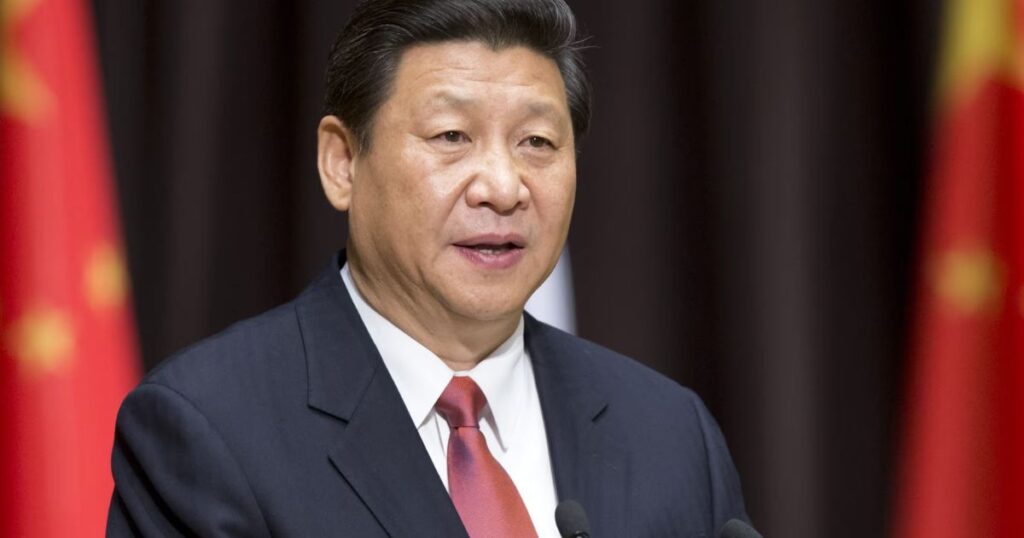
Quick Facts About Xi Jinping
| Fact | Detail |
| Full Name | Xi Jinping |
| Date of Birth | June 15, 1953 |
| Age (2026) | 72 years old |
| Birthplace | Beijing, China |
| Net Worth (2026) | 2$ to 3$ million |
| Famous For | General Secretary of Chinese Communist Party |
| Annual Salary | ¥152,121 RMB ($22,000 USD) |
| Position | President of People’s Republic of China |
| Political Party | Chinese Communist Party |
| Term Started | 2012 as General Secretary |
| Education | Tsinghua University, Chemical Engineering |
Xi Jinping age
Xi Jinping was born on June 15, 1953, which makes him 72 years old as of 2026. Xi Jinping was born in Beijing, the capital of China. He was born into a politically influential family, as his father, Xi Zhongxun, was a well-known Communist revolutionary and senior government official. Xi spent his early years in Beijing, but during the Cultural Revolution, his family faced political difficulties, and he was later sent to rural areas to work and live as part of China’s political campaigns at the time.
Read also:
- Caitlin Clark age, biography, career & net worth 2026
- Bad Bunny age, biography, career & net worth 2026
- Zendaya age, biography, career & net worth 2026
- Aadam Kotas age, biography, career & net worth 2026
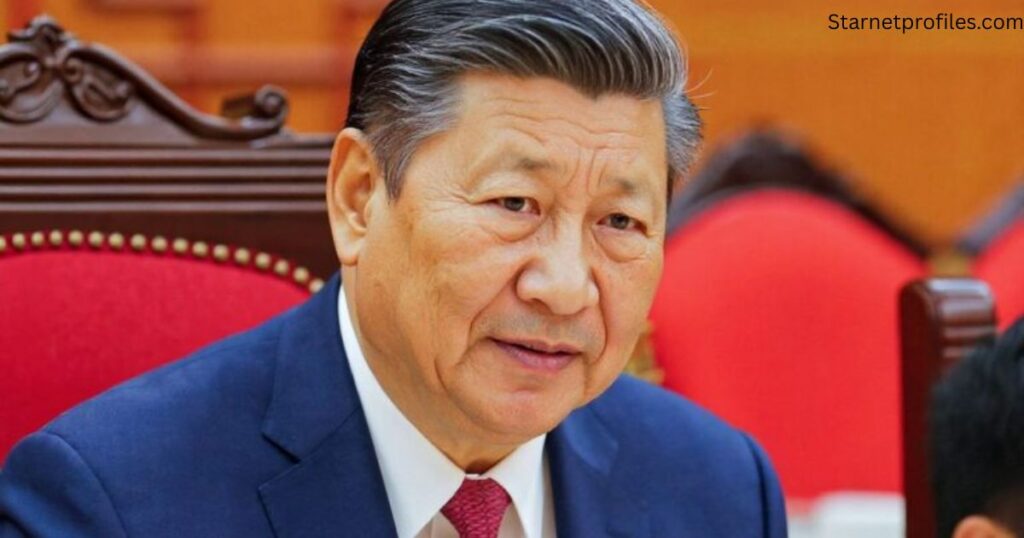
Xi Jinping Networth
Xi Jinping personal net worth is between $2 million and $3 million, mainly based on his government salary and publicly discussed assets. Some investigative reports, however, suggest that wealth connected to his extended family and business interests could be far higher, possibly reaching hundreds of millions of dollars, though these claims are difficult to independently verify. As President of China, Xi reportedly earns an official annual salary of around $22,000 USD. Ariana Grande.
Xi Jinping became China’s paramount leader in 2012 and further strengthened his authority after presidential term limits were removed in 2018. In 2023, he secured an unprecedented third term, solidifying his position as the most powerful Chinese leader in decades.
See also:
- maggie-wolfendale networth and biography
- Ashton-hall Networth and Biography
- Chelsea-davy Networth and Biography
Xi Jinping Background
Xi Jinping is the current top leader of China and one of the most influential political figures in modern world politics. His father, Xi Zhongxun, was a senior Communist leader who played an important role in the early history of the People’s Republic of China.
During Xi’s early life, his family initially lived in relative political privilege, but everything changed during the Cultural Revolution. His father was purged from power, and Xi himself was sent to rural villages in Shaanxi province, where he lived and worked among farmers as part of state political campaigns. This experience is often described as shaping his discipline, resilience, and understanding of rural China.
After returning from rural life, Xi studied chemical engineering at Tsinghua University, one of China’s top universities. He later joined the Chinese Communist Party in 1974 and began his long political career. Nicole Sittre.
In 2012, he became General Secretary of the Communist Party, and in 2013 he became President of China. Since then, he has centralized political power, expanded China’s global influence, and strengthened the role of the Communist Party in all areas of society.
See also:
- Maxx-chewning age, biography, career & net worth 2026
- Jameliz Smith age, biography, career & net worth 2026.
- Cristiano Ronaldo age, biography, career & net worth 2026
Xi Jinping Education
Xi Jinping received his higher education at Tsinghua University, one of the most prestigious universities in China.
He studied chemical engineering and graduated in the late 1970s after returning to formal education following the disruptions of the Cultural Revolution. During that period, many students, including Xi, had their studies interrupted and were sent to rural areas for labor.
After the Cultural Revolution, Xi resumed his academic path and completed his degree at Tsinghua University. He later also pursued part-time studies in law, Marxist theory, and ideological education while working in government positions, which is common for Chinese officials advancing in the Communist Party system. Jynxzi.
His education combined technical training in engineering with political and ideological studies, which later supported his long career in government and party leadership.
Early Political Career and Rise
Xi Jinping began his political rise in 1979 when he started working as a secretary for Geng Biao, who was then Vice Premier and Secretary General of the Central Military Commission. This early role helped him gain exposure to high-level governance and military-adjacent political work.In 1982, Xi was appointed deputy party secretary of Zhengding County in Hebei Province, marking the beginning of his regional leadership career. Eli Tomac.
Over the next two decades, Xi held a series of important regional posts across several provinces, including Hebei, Fujian, Zhejiang, and Shanghai. Between 1982 and 2007, this experience gave him extensive exposure to local administration, economic reform, and provincial governance, especially in China’s rapidly developing coastal regions.
He also served as First Secretary of the Central Secretariat, further strengthening his position as a rising national leader and placing him on the path toward eventual top leadership.
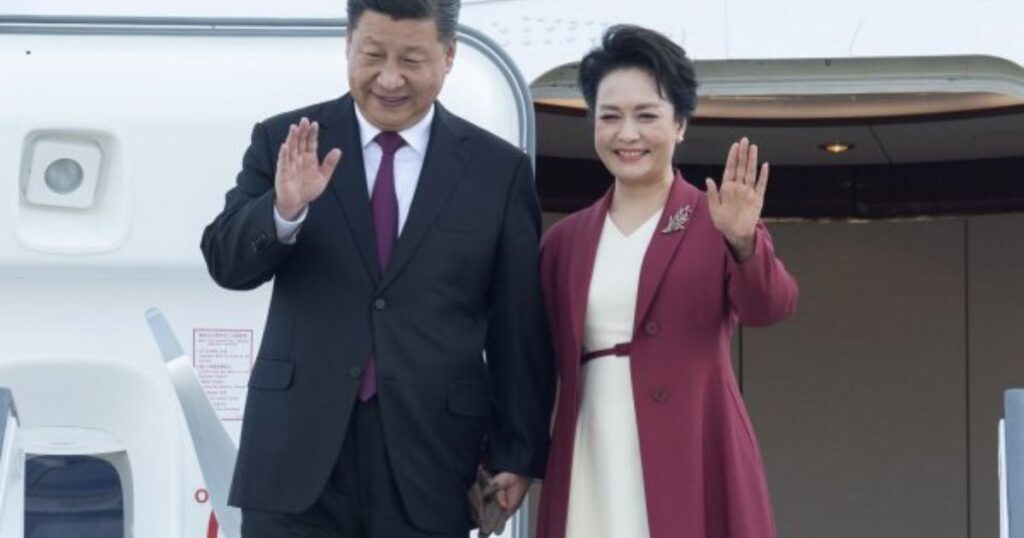
Ascension to Paramount Leadership
Xi Jinping was widely viewed as a leading candidate for China’s top leadership during the late 2000s as part of a planned succession process within the Chinese Communist Party. In 2008, he was appointed Vice President of China, and in 2009 he became Vice Chairman of the Central Military Commission, giving him growing authority in both state and military affairs.
In 2012, Xi reached the highest levels of power when he was appointed General Secretary of the Communist Party and Chairman of the Central Military Commission, making him China’s paramount leader. In 2013, he was formally elected President of China, completing his transition into all three top positions of the country’s political system. Billy Strings.
His rise was the result of a long, structured career within the Communist Party, where leaders are typically promoted gradually through regional and national roles.
Family Business Interests and Wealth
In June 2012, a Bloomberg News investigation reported that members of Xi Jinping’s extended family had business interests and investments in China. The report suggested that some relatives were involved in corporate and real estate ventures with significant financial value. However, it also noted that there was no public evidence that Xi personally controlled these assets or intervened in their business activities. Bigxthaplug.
The Panama Papers (released in 2016) also mentioned relatives of senior Chinese officials, including Xi’s brother-in-law Deng Jiagui, in connection with offshore companies in the British Virgin Islands. These entities were reported to have become inactive before Xi assumed top leadership roles in 2012. Brandon Fugal.
Anti Corruption Campaign and Power Consolidation
Since assuming power, Xi Jinping has launched a far-reaching anti-corruption campaign aimed at enforcing party discipline and strengthening governance within China. The campaign began soon after he became General Secretary of the Communist Party in 2012 and has targeted both high-ranking officials (“tigers”) and lower-level officials (“flies”).
Among the most notable cases was the prosecution of former Politburo Standing Committee member Zhou Yongkang, as well as several senior military figures linked to the Central Military Commission. These actions demonstrated that even very high-ranking officials could be investigated and punished under the campaign. Jaguar Wright.
The anti-corruption drive has resulted in disciplinary action against millions of party members and officials over time, according to official Chinese Communist Party reporting. Xi also strengthened institutions such as the Central Commission for Discipline Inspection, giving it expanded authority and influence in enforcing party rules.
Conclusion
Xi Jinping has emerged as one of the most powerful and influential political figures in modern global politics. Rising through decades of regional and national leadership roles within China, he ultimately reached the country’s highest positions in 2012 as General Secretary of the Communist Party and Chairman of the Central Military Commission, later becoming President in 2013.
His leadership is defined by strong centralization of authority, an extensive anti-corruption campaign, and efforts to expand China’s global influence. While his officially reported personal wealth is relatively modest due to strict regulations on Communist Party officials, his political power is considered unprecedented in modern Chinese history.
FAQs
1. Who is Xi Jinping?
Xi Jinping is the top leader of China. He serves as General Secretary of the Communist Party, President of China, and Chairman of the Central Military Commission.
2. When and where was Xi Jinping born?
He was born on June 15, 1953, in Beijing.
3. How old is Xi Jinping?
As of 2026, Xi Jinping is 72 years old.
4. What is Xi Jinping’s net worth?
His net worth is 2$ to 3$ million, though exact figures are not publicly confirmed due to China’s financial disclosure system for officials.
5. When did Xi Jinping become China’s leader?
He became General Secretary of the Communist Party and Chairman of the Central Military Commission in 2012, and President of China in 2013.
6. What is Xi Jinping known for?
He is known for:
A major anti-corruption campaign
Strengthening Communist Party control
Expanding China’s global influence
Centralizing political authority
7. Who are his parents?
His father was Xi Zhongxun, a senior Communist revolutionary leader.
8. Is Xi Jinping still in power?
Yes, he remains the current top leader of China and continues to hold all major leadership positions in the state, party, and military.